
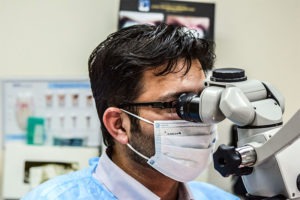
 We at Alvi Dental Hospital are proud to have a Dental-Surgical Microscope (Carl-Zeiss) since 2004, a first ever for Pakistan and probably till one of the few rare practices that utilize a dental microscope in Pakistan to perform microscopic dentistry Its also surprising that only 2% of all practicing dentist in the US, use this as a tool to achieve perfection, while the worldwide percentage is barely in the fractions.
The microscope is used to do dentistry at 24x magnification, which is a substantial leap from the 1x by the naked eye (which most dentists use) or 3x with magnification glasses. You can actually do more accurate dentistry overall. We are now the only dentist in Pakistan to perform Microscopic Endondontics now have the ability to do cutting edge dentistry right here in Pakistan.
What Is A Root Canal?
A root canal is a treatment is used to repair and save a tooth that is badly decayed or infected. The tooth’s nerve can become irritated, inflamed, and infected due to a deep cavity
During a root canal procedure, the nerve and pulp of the tooth are removed. The narrow channels within the tooth are cleaned by using rotary flexible nickel-titanium files. The tooth is then sterilized and sealed with a permanent filling material for your comfort – schedule your pain-free appointment today
Microscopic Root Canals At Alvi Dental
The use of microscopes in dentistry is a phenomenal advancement which requires proper training. Dr Awab Alvi trained from University of Pennsylvania has since then acquired one of the world’s best Carl Zeiss microscopic system for us at the Alvi Dental.
This dental microscope allows our doctors to look at teeth at over 24x times magnification, which most most of the dentists can never see . We are the only hospital in Pakistan which has a dental-surgical microscope.
Call our offices to set up an appointment for a pain free, highly accurate root canal treatment with Dr. Awab Alvi

 Your
Your 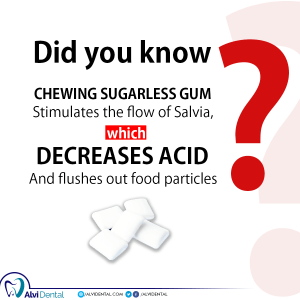 Did you know that
 Tightened jaw muscles can be a common consequence of various factors, from stress-induced clenching to conditions like TMJ disorders (Temporomandibular Joint disorders), stemming from teeth grinding, jaw clenching, injuries, or arthritis. However, relief is within reach through targeted exercises that aim to soothe and relax your jaw.
 To address the specific muscles responsible for chewing and grinding, known as masticatory muscles, incorporate a jaw stretch into your routine. Begin by massaging your jaw muscles with your fingertips, utilizing small, circular motions. This helps to release initial tension. Following the massage, open your mouth as wide as comfortably possible, holding the stretch for 10 seconds. Release and allow your jaw to relax. Repeat this sequence for 10 repetitions. This exercise promotes flexibility in the masticatory muscles, reducing the strain associated with prolonged tension.

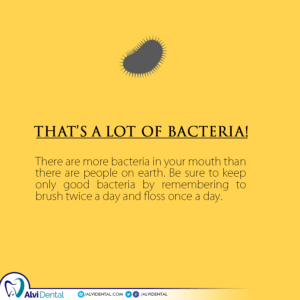 In the hidden realm within your mouth, a bustling community of microorganisms, particularly oral bacteria, plays a crucial role in oral health. While many of these tiny inhabitants are harmless, some can lead to diseases affecting our teeth and overall well-being. Controlling bacteria involves adopting a healthy diet, practicing good oral care, and scheduling regular dentist visits.
 Throughout a lifetime, the average person generates a staggering 25,000 quarts of saliva—enough to fill two swimming pools!